
Language
Currencies
Merzouga 4x4 Desert Tour
Not all journeys need roads some begin where the desert begins, and memories are written in the sand of Merzouga
Merzouga 4x4 Desert Tour Overview
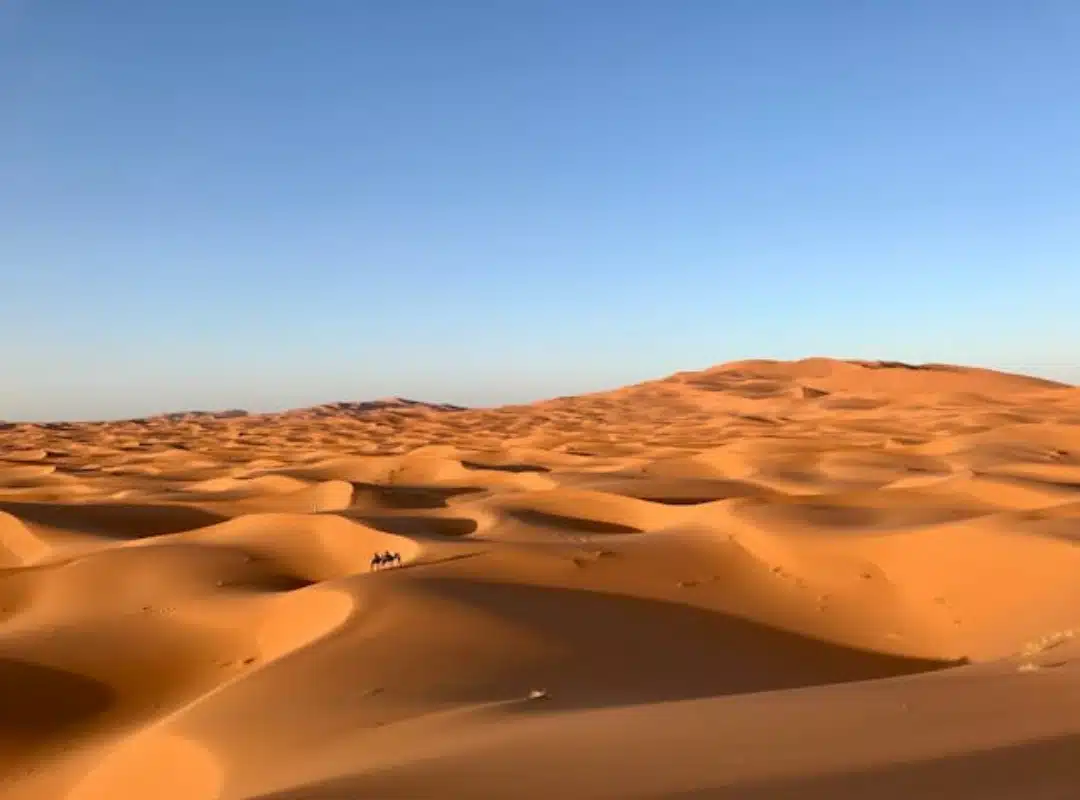
The Merzouga 4×4 desert tour is a great way to discover the beauty of the Sahara Desert and explore places around the famous dunes of Erg Chebbi. This adventure takes you through golden dunes, rocky desert areas, small villages, and hidden off-road tracks while enjoying amazing landscapes and local culture.
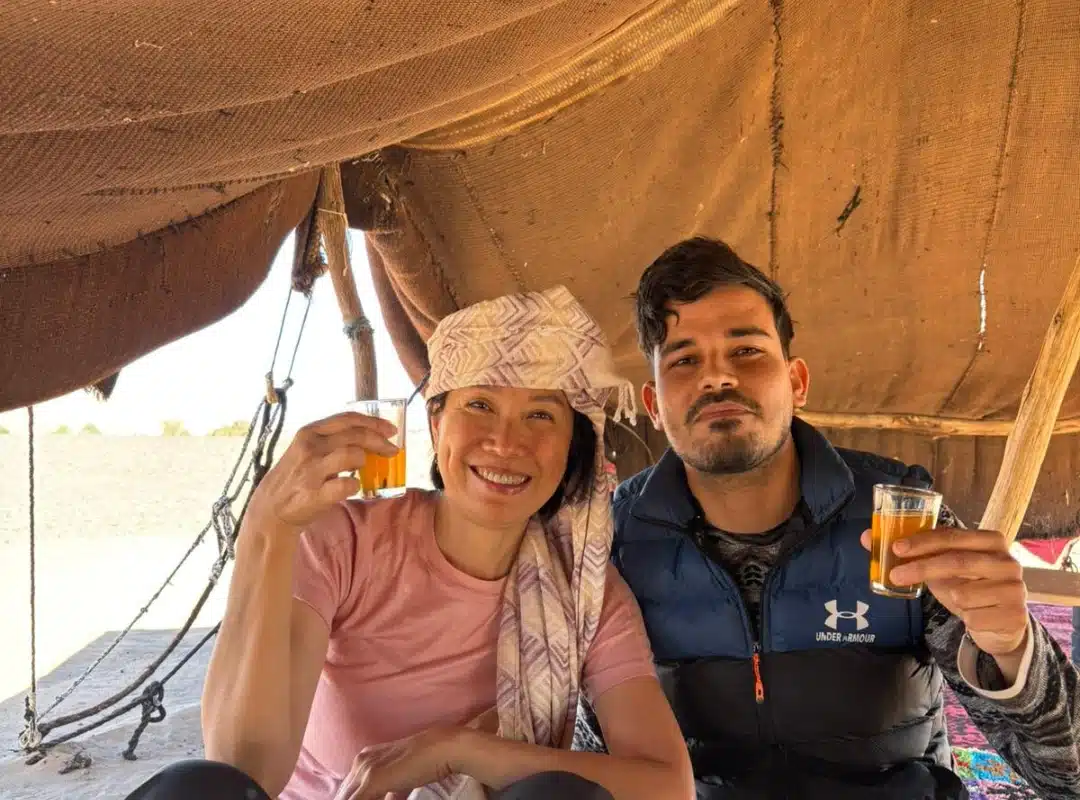
During the tour, you will explore the dunes by 4×4 vehicle and enjoy several stops for panoramic views and photos. You will also visit local nomad families living in the desert and learn about their traditional lifestyle while sharing a cup of Moroccan mint tea.
The adventure continues to the old Mifis mines, where you can discover rocky landscapes and old mining areas far from the busy tourist places. Later, you will visit Khamlia village, famous for traditional Gnawa music and warm local hospitality.
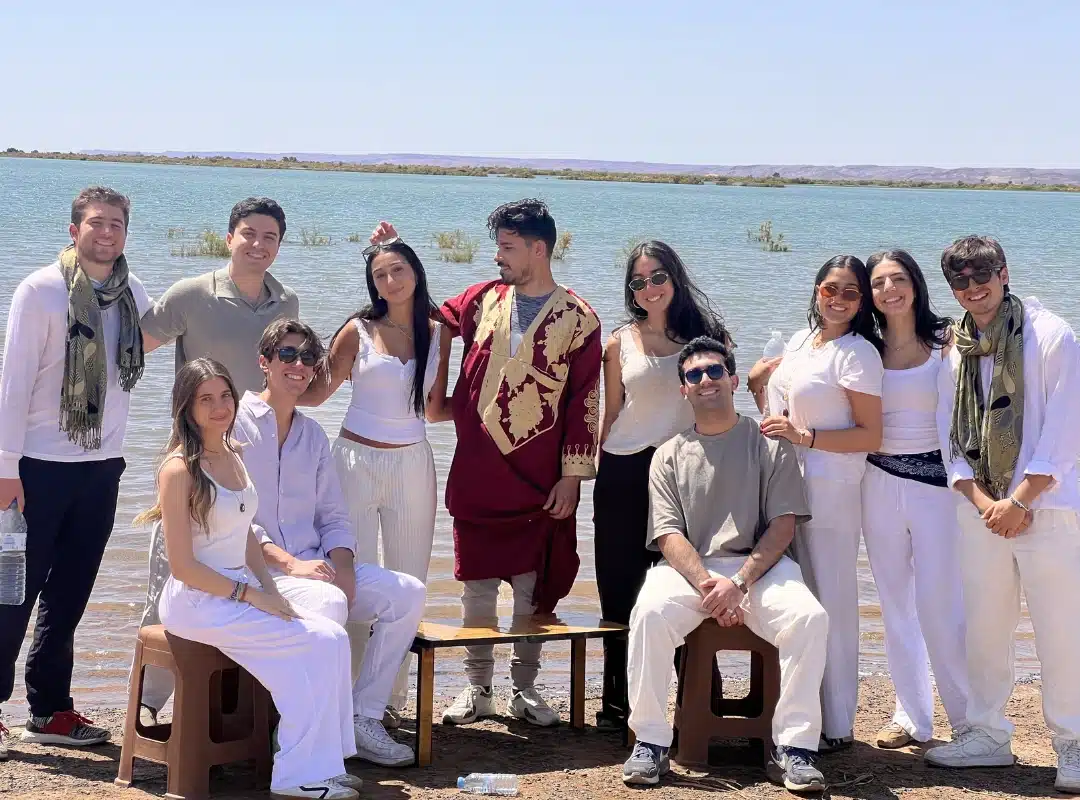
You will enjoy a traditional Berber lunch before continuing to Merzouga lake, also known as Dayet Srij. If there is water in the lake, you may see flamingos and other desert birds surrounded by peaceful natural views.
This Merzouga 4×4 desert tour combines adventure, culture, local experiences, and beautiful desert scenery, making it one of the best activities to enjoy during your stay in the Sahara Desert.
Merzouga 4x4 Desert Tour Highlights
- Explore the golden dunes of Erg Chebbi by 4x4
- Enjoy beautiful panoramic desert views and photo stops
- Visit local nomad families and share Moroccan mint tea
- Discover the old Mifis mines and rocky desert landscapes
- Visit Khamlia village and learn about their culture
- Taste a delicious local Berber lunch in the desert
- Visit the peaceful Merzouga seasonal lake
- See flamingos and desert birds when the lake has water
- Drive through off-road Sahara tracks and hidden places
- Enjoy an authentic cultural and desert adventure experience
Merzouga 4x4 Desert Tour Itinerary
Your Merzouga 4×4 desert tour starts after breakfast from your hotel or desert camp in Merzouga. You will meet your local driver-guide and begin your adventure through the beautiful dunes of Erg Chebbi. The first part of the tour is a dunes exploration where you drive through golden sand dunes and enjoy the peaceful Sahara landscapes. There will be several stops for photos and panoramic views of the desert.
After exploring the dunes, you continue off-road to visit local nomad families living behind the desert. You will enjoy Moroccan tea with them and learn about their simple lifestyle, traditions, and daily life in the Sahara. This experience gives you a real connection with the desert culture.
Next, the adventure continues toward the old Mifis mines. The road passes through rocky landscapes and old Dakar Rally tracks. In this area, you can discover old mining sites and enjoy different desert scenery far from the dunes.
Later, you arrive at Khamlia village, famous for traditional Gnawa music. After that, you will have lunch in the village or at a local restaurant nearby. You can taste traditional dishes such as Berber pizza, tajine, or grilled meat.
In the afternoon, you continue to Merzouga lake, also called Dayet Srij. If the lake has water, you may see flamingos and other desert birds. The lake offers beautiful natural views and a peaceful atmosphere perfect for relaxing and taking photos.
At the end of the day, you return to your hotel or desert camp in Merzouga after an unforgettable 4×4 desert adventure full of culture, landscapes, and local experiences.
Included & Excluded - Merzouga 4x4 Desert Tour
Included
- Comfortable 4x4 vehicle with experienced local driver-guide
- Hotel, riad, or desert camp pickup and drop-off in Merzouga
- Dunes exploration around Erg Chebbi with photo stops and panoramic views
- Visit to nomad families and traditional Moroccan mint tea experience
- Off-road drive to Mifis old mines and desert rocky landscapes
- Visit to Khamlia village known for Gnawa music
- Traditional Berber lunch in a local restaurant or desert spot
- Stop at Merzouga lake (Dayet Srij) for nature views and photos
Excluded
- Personal expenses
- Tips for guide (optional)
- Food and drinks
- Camel ride and sandboarding
- Accommodation before and after the tour
Merzouga 4x4 Desert Tour Gallery
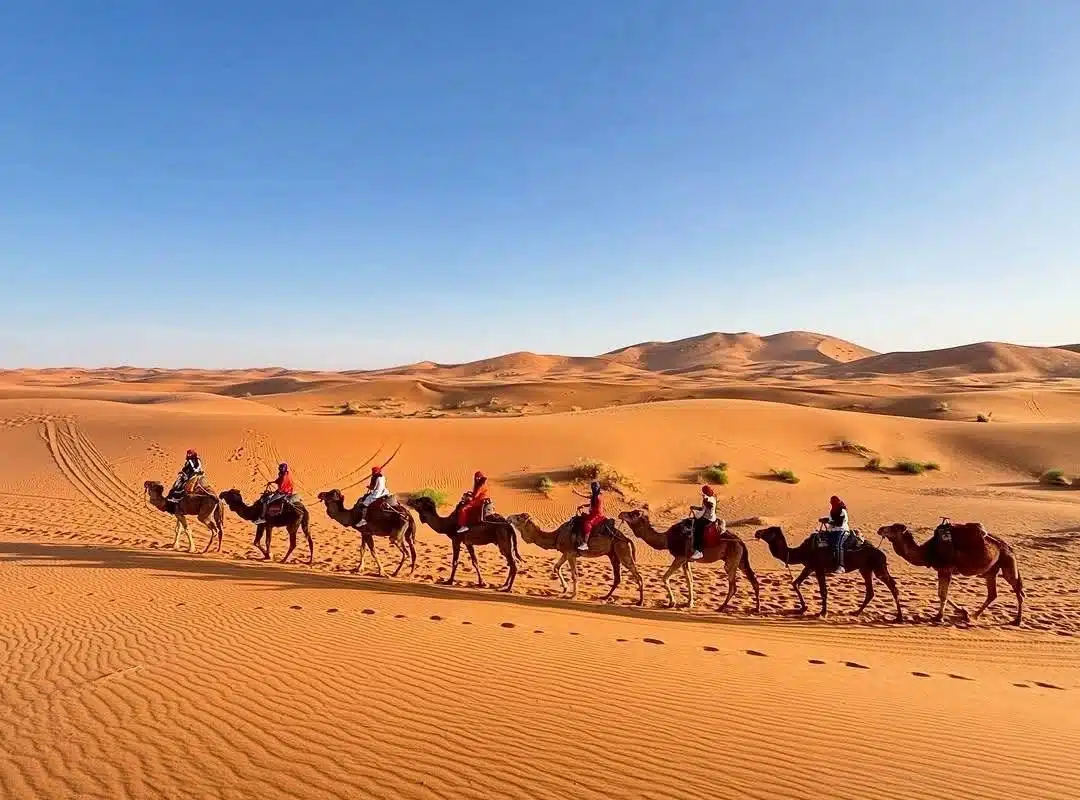
Know Before You Go – Merzouga 4x4 Desert Tour
The Merzouga 4×4 desert tour takes place in a hot and dry desert climate, so it is important to bring light and comfortable clothes. A hat, sunglasses, and sunscreen are highly recommended to protect yourself from the sun during the day.
The tour includes off-road driving on sandy and rocky tracks. Some parts of the journey can be bumpy, so it is better to be prepared if you are sensitive to long rides. Comfortable shoes are also a good idea for walking during stops.
Weather in the desert can change quickly. It can be very hot during the day and cooler in the morning or late afternoon, so bringing a light jacket is useful, especially in winter months.
There are limited shops and services during the tour, so it is better to bring cash for drinks, tips, or any personal expenses. Most places in the desert do not accept card payments.
The Merzouga lake (Dayet Srij) depends on seasonal water levels. Sometimes it is dry, and sometimes you may see flamingos and birds, so wildlife sightings are not guaranteed.
Finally, this is a cultural and adventure experience, so it is important to respect local nomad families and village traditions during your visit.